

close
Choose Your Site
Global
Social Media
Bellows seal valves carry a significant cost premium over standard options. They make procurement decisions challenging for facility managers. They are not a universal solution for every pipeline. Instead, they serve as a targeted asset. They mitigate severe operational risks effectively. Traditional stem packing inevitably degrades. It breaks down through continuous friction. Thermal cycling accelerates this wear significantly. This mechanical breakdown leads directly to dangerous fugitive emissions. System inefficiencies multiply quickly. In severe services, a minor stem leak morphs rapidly. It escalates from a simple maintenance nuisance into a critical safety liability. Environmental and financial penalties often follow. Deciding if a specific process requires this advanced seal depends on precise factors. You must evaluate fluid toxicity, thermal dynamics, and strict compliance thresholds. This comprehensive guide outlines the exact services where investing in bellows technology makes sense. We explore how these advanced mechanisms safeguard your facility daily.
Primary Use Cases: Essential for thermal oil (heat transfer), highly toxic/lethal fluids, cryogenic media, and high-vacuum services where atmospheric ingress is unacceptable.
Risk Mitigation: Replaces traditional dynamic packing with a static metallic barrier, eliminating fugitive emissions and ensuring strict environmental compliance (e.g., EPA, OSHA).
Material & Design Flexibility: Service conditions dictate the specification, ranging from carbon steel for standard high-temp applications to a stainless steel globe valve for corrosive environments, or a bellows angle globe valve for constrained piping layouts.
Evaluation Mandate: Procurement must verify bellows cycle-life fatigue standards (e.g., MSS SP-117) and insist on secondary backup packing for true fail-safe operation.
Engineers understand a fundamental truth about fluid control. Dynamic seals eventually leak. Ordinary valves rely heavily on dynamic gland packing. Maintenance crews compress this packing material tightly around the stem. The stem moves vertically during operation. This vertical movement generates constant friction. Friction slowly tears away the microscopic layers of packing. Operating temperatures fluctuate continuously. These thermal cycles cause the packing to expand and contract. It quickly loses its original elasticity. Operators must periodically tighten the gland nut. They do this to maintain a basic seal. Eventually, the material degrades completely. Fluid escapes into the atmosphere inevitably.
Bellows valves introduce a completely different mechanical paradigm. They replace dynamic packing with a static metallic barrier. We call this flexible component the bellows. Manufacturers weld the bottom of the bellows directly to the valve stem. They weld the top section to the valve bonnet. The fluid enters the lower valve body. It hits the exterior of the bellows tube. It cannot penetrate the solid metal. As the operator turns the handwheel, the stem moves downward. The accordion-like metallic folds simply stretch. When the valve opens, the folds compress neatly. Zero friction occurs between the moving stem and the fluid barrier. The hermetic seal remains absolute.
Fugitive emissions drain company resources silently. Ordinary valves present hidden costs daily. Consider the loss of valuable product. A slightly dripping valve wastes hundreds of gallons of expensive chemicals annually. Maintenance downtime presents an even larger expense. Crews must erect scaffolding to reach elevated pipelines. They shut down active process lines. They spend hours removing old packing and inserting new rings. Facilities lose vital production hours during this maintenance. Furthermore, regulatory agencies enforce strict emission limits. The EPA monitors airborne chemical concentrations actively. OSHA protects plant workers from hazardous exposure. Minor leaks trigger massive regulatory fines quickly.
Decision-makers need a reliable evaluation framework. You should specify bellows technology strategically. Analyze the overall financial impact of potential stem leaks. Compare this projected loss against the initial capital expenditure of the valve upgrade. Calculate the long-term operational expenses carefully. Consider the labor costs of repetitive repacking tasks. If stem leaks threaten your environmental compliance, the upgrade justifies its premium price instantly. When fluid loss drains your budget faster than the hardware cost, you make the switch. Focus on maximizing long-term financial viability.
Performance Comparison: Bellows Seal vs. Standard Packing
Feature / Characteristic | Standard Valve (Gland Packing) | Bellows Seal Valve |
|---|---|---|
Seal Mechanism | Dynamic friction compression | Static metallic barrier |
Maintenance Frequency | High (requires regular tightening) | Very low (virtually maintenance-free) |
Leakage Rate | Expected minor leakage over time | Zero fugitive emissions |
Initial Capital Cost | Lower | Higher (premium pricing) |
Best Application | Benign fluids, general utility water | Toxic, thermal oil, vacuum services |
Certain industrial applications leave zero room for error. We outline the critical services requiring absolute containment below.
Thermal oils operate at extreme temperature profiles. These fluids run efficiently at 350°C (660°F) or higher. They are highly penetrating by nature. They easily slip through microscopic gaps in standard graphite packing. When temperatures fluctuate wildly, ordinary packing bakes. It hardens into a brittle mass. It loses all crucial elasticity. Leakage happens rapidly under these conditions. Leaking thermal oil poses severe safety hazards immediately. It can ignite spontaneously upon contact with oxygen. Facility fires and catastrophic explosions become real threats. Bellows components completely isolate the fluid from the atmosphere. They ensure safe operations under extreme heat. Facilities maintain continuous high-temperature circulation without fear of sudden ignition.
Chemical processing plants handle extremely dangerous media constantly. Chlorine, phosgene, hydrogen, and ammonia pose immediate life-safety risks. Even a minor microscopic leak endangers personnel. Toxic gas disperses rapidly through a facility ventilation system. Plant managers face strict environmental reporting requirements globally. Agencies demand immediate shutdown actions for hazardous chemical leaks. Bellows guarantee zero fugitive emissions consistently. They keep facilities strictly compliant with safety laws. They protect vulnerable operators from deadly chemical exposure. A solid metallic barrier provides unmatched operational peace of mind.
Vacuum systems face an entirely unique threat profile. The primary danger is not outward fluid leakage. The major threat is atmospheric air ingress. Engineers call this inward leakage. The system pressure falls below atmospheric levels. The pipeline essentially sucks outside air inward. This external air carries moisture, dust, and microscopic contaminants. It can instantly ruin ultra-pure chemical processes. It disrupts delicate vacuum integrity completely. The system loses essential suction power. Production halts immediately. The hermetic metallic seal blocks all atmospheric penetration securely. It keeps vacuum environments perfectly pristine.
Many facilities unfortunately ignore minor steam leaks. They view them as normal operational wear. However, unnoticed steam leaks drain operational budgets massively over time. A single leaking steam valve wastes vast amounts of generated energy annually. The exact same principle applies to specialized chemical compounds. Losing expensive pharmaceutical fluids damages your bottom line severely. Eliminating continuous fluid loss provides a highly measurable return on investment. This accelerated financial savings offsets the premium valve price quickly. Facilities recover their initial hardware costs in mere months.
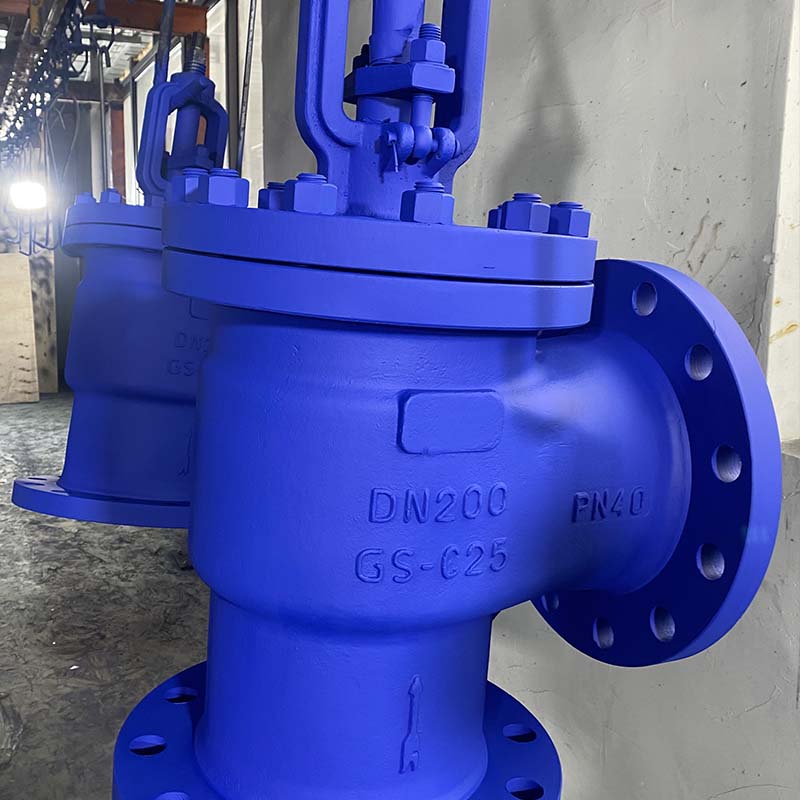
Choosing the appropriate hardware ensures long-term pipeline success. Media compatibility drives these engineering decisions. You must match the metal to the fluid.
Standard ANSI carbon steel works well for many applications. It handles basic high-temperature thermal oil effectively. Carbon steel provides excellent mechanical strength for non-corrosive environments. It remains highly cost-effective. However, aggressive chemical applications demand much higher resistance. Corrosive media destroys standard carbon steel rapidly. Rust and pitting compromise the valve body. In these harsh environments, you must specify a stainless steel globe valve. Stainless steel resists harsh chemical attacks brilliantly. It maintains structural integrity against acidic solutions. Some extreme situations require even tougher exotic alloys. Materials like Hastelloy and Monel handle highly concentrated acids safely. They prevent premature degradation in the most hostile environments.
Piping geometry often dictates your specific design choices. Engineers face constrained installation spaces frequently on modern process skids. Standard valves feature a traditional T-pattern body. A standard globe valve forces fluid to change direction sharply inside the chamber. This complex Z-shaped internal flow path creates a significant pressure drop across the line. It also requires extra external elbow pipe fittings to navigate corners. Tight skid spaces cannot accommodate these bulky layouts. We introduce the bellows angle globe valve to solve this distinct challenge. It features a streamlined 90-degree internal flow path. Fluid turns naturally within the valve body itself. This efficient design reduces internal pressure drop noticeably. It eliminates the strict need for extra welded elbow fittings. You save valuable physical space in compact piping systems. You also reduce potential weld leak points.
Procurement teams must evaluate hardware manufacturers strictly. Bellows designs carry very specific mechanical vulnerabilities. You cannot buy them blindly.
Bellows remain highly susceptible to torsional failure. Twisting forces tear the thin metallic ridges incredibly quickly. As the operator turns the exterior handwheel, the internal stem must not rotate. If the stem rotates even slightly, it twists the attached bellows directly. The delicate metallic seal ruptures almost immediately. You must vet manufacturers carefully during procurement. Demand strictly non-rotating stem designs from your suppliers. The internal mechanism must only allow linear movement. The stem should merely travel smoothly up and down. This specific engineering protects the fragile accordion structure perfectly.
No single industrial seal is entirely invincible. A credible valve design always anticipates potential failure. It must include a robust secondary containment system. Look for a standard graphite packing gland positioned directly above the bellows. This component acts as a crucial fail-safe backup. Suppose the metallic seal ever ruptures unexpectedly due to pressure spikes. The dangerous fluid travels upward along the stem. The secondary graphite packing stops it immediately. It keeps the hazardous fluid safely inside the valve body. This redundant system buys maintenance teams vital reaction time. They can shut down the process safely without a massive spill.
Do not accept generalized marketing claims from vendors. Manufacturers often promise a "long life" loosely on brochures. You need hard, verified engineering data. Demand documented cycle-life testing reports. Reputable brands follow strict global industry protocols. Ask for API 602, API 622, or MSS SP-117 certifications explicitly. These rigorous standards mandate thousands of successful operational cycles before approval. You should also request factory helium leak test certifications. Helium gas molecules are incredibly small. If pressurized helium cannot penetrate the metallic seal, larger fluid molecules will definitely not leak. These critical documents validate the manufacturer's strict engineering standards securely.
Procurement Evaluation Checklist:
Verify non-rotating stem mechanisms to prevent dangerous torsional stress.
Confirm the exact presence of secondary graphite backup packing.
Request official MSS SP-117 or API cycle-life test reports from the factory.
Obtain signed helium leak test certificates prior to final shipment.
Review material test reports for alloy authenticity.
Bellows globe valves serve as non-negotiable upgrades for critical applications. They protect thermal oil loops from catastrophic facility fires. They secure toxic media lines against deadly personnel exposure. They maintain pristine conditions for sensitive high-vacuum services. The upfront hardware cost seems relatively high initially. However, the operational risk of leakage heavily outweighs this capital expense. Facilities save substantial money by preventing hazardous downtime and regulatory fines.
Engineering teams should take immediate, concrete action. We advise you to audit your current valve maintenance logs carefully. Look for high-frequency packing failures across your specific network. Identify pipeline areas requiring constant manual repacking. Calculate the exact fluid loss cost for these problem areas. Factor in wasted thermal energy and lost production time. Use these hard financial numbers to build a solid business case. You can then justify upgrading specific pipeline nodes confidently. Proactive upgrades always cost less than reactive disaster management.
A: Depends on the cycle frequency and operating stroke, but industrial standards typically require a minimum of 2,000 to 10,000 cycles without failure, provided there is no torsional stress.
A: Look for monitoring ports. High-quality designs include a leak-off port between the bellows and the backup packing; a sensor or gauge here will alert operators immediately if the primary bellows fails.
A: Generally 1.5x to 3x the cost of a standard valve, depending on materials and pressure class, though the ROI is often realized within 12–18 months in hazardous or high-loss fluid services.


