

close
Choose Your Site
Global
Social Media
TL;DR: In the complex world of fluid control and piping infrastructure, understanding the specific roles of different valves is crucial for system efficiency and longevity. A gate valve is primarily utilized as an isolation valve, designed to completely open or completely close off fluid flow within a pipeline. Because of their ability to provide an unobstructed path for water, they are the industry standard for municipal water supply, wastewater treatment, and industrial fluid management. This comprehensive guide explores their mechanisms, applications, advantages, and maintenance protocols specifically tailored for water applications.
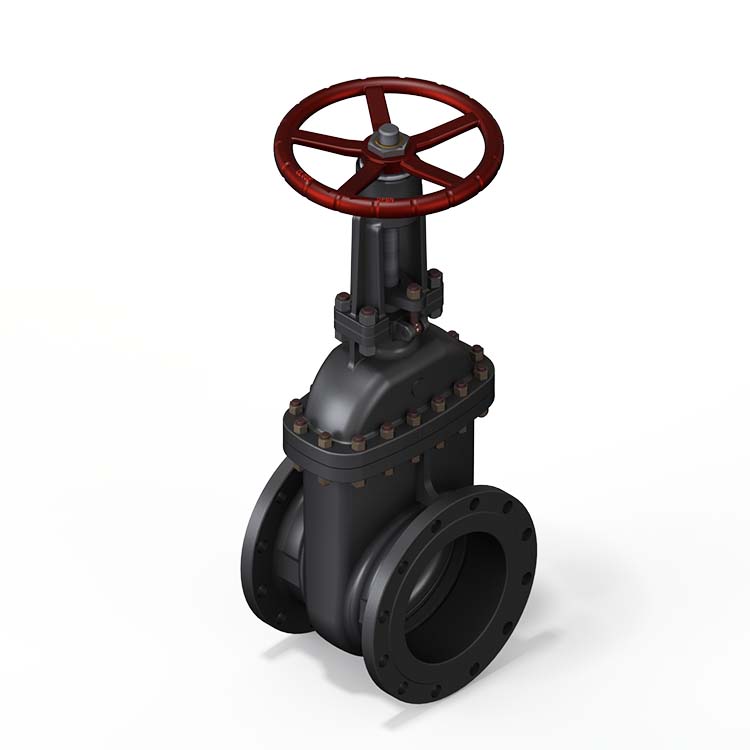
To fully grasp the importance of fluid control mechanisms in modern infrastructure, one must first understand the fundamental design and purpose of these devices. A gate valve is a linear-motion valve used to start or stop fluid flow. Unlike throttling valves, which are designed to regulate the volume or pressure of the flow, this specific type of valve is engineered for fully open or fully closed operations. When the valve is fully open, the gate (or wedge) is completely removed from the flow path, allowing water to pass through with virtually no resistance or pressure drop. When closed, the gate lowers to form a tight seal against the valve seats, completely isolating the downstream pipeline.
The mechanical operation of a gate valve is both simple and highly effective, which contributes to its widespread use and reliability. The valve consists of several primary components: the body, the bonnet, the gate (wedge), the stem, the seats, and the actuator (typically a handwheel). The body and bonnet contain the internal pressure of the fluid. The gate is the physical barrier that lowers into the fluid path. The stem connects the handwheel to the gate. When an operator turns the handwheel counterclockwise, the threaded stem translates that rotational motion into linear motion, pulling the gate upward into the bonnet and out of the fluid path. Conversely, turning the handwheel clockwise pushes the gate down, wedging it tightly between the seats to stop the flow. This slow, deliberate movement prevents the dangerous phenomenon known as water hammer, which can severely damage piping systems.
Water systems, whether they are municipal drinking water networks or industrial cooling lines, require valves that can handle large volumes of fluid efficiently. The primary reason engineers and plumbers choose a gate valve for these applications is its full-bore design. "Full-bore" means that the internal diameter of the valve is equal to the internal diameter of the connecting pipe. Because the gate completely retracts into the bonnet when opened, there is absolutely no obstruction in the flow path. This results in minimal friction loss, minimal turbulence, and maximum energy efficiency for the pumps driving the water through the system. Furthermore, their robust construction allows them to withstand high pressures and harsh underground environments for decades.
The versatility and reliability of these valves make them the backbone of almost every major water distribution and management system in the world. Their ability to provide a secure, leak-proof seal while offering minimal flow resistance when open makes them indispensable across various sectors.
In municipal water supply networks, the primary objective is to deliver clean, potable water from treatment plants to residential and commercial consumers safely and efficiently. A gate valve is extensively used throughout these sprawling underground networks to isolate specific sections of the grid. When a water main breaks, or when routine maintenance and upgrades are required, city workers use these valves to shut off the water supply to a localized area without disrupting the entire city's water service. They are typically buried underground and operated via an extension spindle and a surface-level valve box. Because they are operated infrequently—sometimes only once every few years—their design must ensure they do not seize up over time, which is why resilient seated designs are heavily favored in this sector.
Wastewater and sewage treatment plants present a uniquely harsh environment for fluid control equipment. The water in these systems is often laden with solid debris, sludge, corrosive chemicals, and grit. A gate valve is frequently employed in these facilities because its straight-through, unobstructed flow path prevents debris from accumulating and causing blockages. In particular, knife gate valves—a specialized sub-category—are used to slice through thick slurries and heavy solids. Standard resilient seated designs are also used in the cleaner stages of the treatment process to isolate pumps, tanks, and filtration units for maintenance and cleaning.
Industries such as power generation, chemical processing, paper manufacturing, and mining consume massive quantities of water for cooling, boiler feed, and processing. In these heavy-duty industrial environments, a gate valve is utilized to manage the flow of water through massive cooling towers, heat exchangers, and boiler systems. Industrial applications often involve extreme temperatures and exceptionally high pressures. Therefore, the valves used in these settings are typically manufactured from high-grade materials like cast steel, forged steel, or stainless steel, and feature metal-to-metal seating to withstand the rigorous demands of the industrial environment.
While ball valves have become increasingly popular in modern residential plumbing, a gate valve still plays a critical role in commercial and residential water systems. They are frequently found as the main water shut-off valve where the municipal water line enters a building. They are also heavily utilized in commercial fire protection and sprinkler systems. In fire protection, outside screw and yoke (OS&Y) designs are mandated by fire codes because the rising stem provides a clear, immediate visual indicator of whether the valve is open or closed—a critical feature during a fire emergency.
The enduring popularity of this valve type over more than a century of modern plumbing and engineering is not accidental. It offers a specific set of operational advantages that make it superior to other valve types (like globe or butterfly valves) for specific isolation tasks.
As previously mentioned, the most significant advantage is the unrestricted flow path. When fully open, the interior of the valve is completely flush with the pipeline. This means the fluid does not have to change direction, navigate around internal components, or squeeze through a reduced port. In terms of fluid dynamics, this results in an extraordinarily low coefficient of friction. For massive municipal water pumps, even a slight reduction in pipeline friction translates to massive energy savings over the lifespan of the system. This unrestricted flow also prevents the accumulation of sediment and debris within the valve body.
Unlike globe valves, which are strictly uni-directional and must be installed in a specific orientation relative to the fluid flow, a gate valve is inherently bi-directional. This means it can effectively block fluid pressure from either upstream or downstream directions. This bi-directional capability greatly simplifies the installation process, as piping contractors do not need to worry about installing the valve backward. It also adds a layer of safety and flexibility to complex piping networks where flow directions might occasionally reverse due to pressure differentials or system re-routing.
When manufactured to high standards and properly maintained, these valves boast an incredibly long service life. It is not uncommon for underground municipal valves to function reliably for 50 years or more. Their robust, heavy-duty construction—often utilizing thick-walled ductile iron or cast steel—allows them to withstand significant physical stress, ground movement, and high internal pressures. Furthermore, the slow, multi-turn operation of the handwheel prevents sudden pressure spikes (water hammer) that can cause catastrophic failure in pipes and fittings, thereby protecting the longevity of the entire water system.
While the fundamental operating principle remains the same, engineers have developed several variations of the design to suit different environments, space constraints, and fluid types. Understanding these variations is key to selecting the right equipment for your specific water application.
The mechanism by which the stem interacts with the gate dictates whether the valve is a rising stem or non-rising stem design.
Rising Stem Gate Valve (OS&Y): In this design, the stem is threaded into the handwheel but fixed to the gate. As the handwheel turns, the stem and the gate rise together. The primary advantage is visual indication; you can tell from a distance whether the valve is open or closed based on how far the stem protrudes. However, this design requires adequate vertical clearance above the valve, making it unsuitable for tight, confined spaces or underground burial.
Non-Rising Stem Gate Valve (NRS): Here, the stem is threaded directly into the gate and fixed vertically within the valve body. Turning the stem causes the gate to travel up and down the threads of the stem, but the stem itself does not move vertically. This compact design is ideal for underground installations, cramped mechanical rooms, and any application where vertical space is limited.
The design of the gate (or wedge) itself is another critical variable, particularly in systems that experience temperature fluctuations.
Solid Wedge Gate Valve: This is the most common and traditional design, featuring a single, solid piece of metal machined to a slight angle. It is highly robust and suitable for almost all liquid applications, particularly at lower temperatures. However, in systems with high thermal fluctuations, a solid wedge can become jammed (or "thermally bound") between the seats due to the expansion of the metal valve body.
Flexible Wedge Gate Valve: To combat thermal binding, the flexible wedge features a cut or groove around its perimeter, allowing the wedge to flex slightly. This flexibility ensures that the wedge can adapt to minor changes in the angle of the valve seats caused by thermal expansion or pipeline stress, ensuring a tight seal without getting stuck.
The method used to create a watertight seal at the bottom of the valve is perhaps the most important distinction for modern water applications.
Feature | Resilient Seated Gate Valve | Metal Seated Gate Valve |
|---|---|---|
Sealing Mechanism | Elastomer (rubber) encapsulated wedge compressing against a flat valve bottom. | Machined metal wedge wedging tightly against machined metal seats in a recessed pocket. |
Debris Handling | Excellent. The flat bottom prevents debris buildup. The rubber can absorb small particles and still seal. | Poor. Debris can collect in the bottom recess, preventing the metal wedge from seating fully and causing leaks. |
Primary Application | Municipal drinking water, wastewater, general plumbing, irrigation. | High-temperature industrial water, high-pressure steam, abrasive industrial fluids. |
Maintenance | Low maintenance. Highly reliable for infrequent use. | May require periodic lapping or grinding of the metal seats to maintain a tight seal. |
Even the highest quality valve will fail prematurely if it is not installed correctly or if routine maintenance is completely neglected. Proper handling ensures the safety of the operators and the integrity of the water system.
Installation must be carried out by qualified professionals adhering to local plumbing codes and manufacturer specifications. Before installation, the valve should be inspected for any debris or damage sustained during shipping. The pipeline itself must be flushed to remove dirt, welding slag, or rust. When installing flanged valves, it is critical to align the pipe flanges perfectly with the valve flanges; forcing misaligned pipes together using the flange bolts will put immense stress on the valve body, potentially causing it to crack. The flange bolts should be tightened using a torque wrench in a crisscross (star) pattern to ensure even pressure on the gasket. While these valves can technically be installed in any orientation, it is highly recommended to install them with the stem pointing straight up to prevent debris from accumulating in the bonnet and to reduce wear on the stem packing.
While generally considered low-maintenance devices, a proactive maintenance schedule will significantly extend their lifespan. The most crucial maintenance task is "exercising" the valve. Valves that remain in the open position for years can become encrusted with mineral deposits (scale) or rust, making them impossible to close when an emergency arises. A proper maintenance program requires operators to fully close and fully open every valve in the system at least once a year. Additionally, the stem threads on rising stem models should be kept clean and lubricated with a high-quality, water-resistant grease. The stem packing (the material that prevents water from leaking out around the stem) should be inspected periodically; if a leak is detected, the packing nuts can usually be tightened slightly to compress the packing and stop the leak.
Despite their durability, issues can occasionally arise. The most common problem is a valve that will not completely shut off the water flow. In metal-seated valves, this is almost always caused by debris trapped in the bottom recess. Opening the valve slightly to flush the debris with high-velocity water will often resolve the issue. In resilient seated valves, a failure to seal may indicate that the rubber encapsulation on the wedge has been damaged or degraded by chemicals in the water, requiring a wedge replacement. Another common issue is a valve that is stuck and cannot be turned. Operators should never use excessive force or "cheater bars" to force a stuck handwheel, as this will likely snap the stem. Instead, penetrating oil should be applied to the stem threads and packing, and gentle back-and-forth pressure should be applied until the valve breaks free.
Specifying the correct valve for a water project involves analyzing several technical parameters. Making the wrong choice can lead to system inefficiencies, frequent leaks, or catastrophic failure.
The material of the valve body and internal components must be compatible with the fluid being handled and the external environment. For standard municipal potable water and wastewater, ductile iron is the industry standard due to its high tensile strength, impact resistance, and cost-effectiveness. These iron valves are typically coated with a fusion-bonded epoxy (FBE) to prevent corrosion. For smaller residential plumbing applications, brass and bronze are preferred for their excellent corrosion resistance and ease of installation. In harsh industrial environments, or where water has high chloride content (like desalination plants), stainless steel (such as 304 or 316 grade) is necessary to prevent rapid degradation.
Proper sizing is straightforward: the valve size should match the nominal pipe size (NPS) of the system to maintain the full-bore advantage. However, selecting the correct pressure rating is critical. The valve must be rated to handle the maximum anticipated pressure of the system, including potential pressure surges. In the United States, valves are typically rated by classes (e.g., Class 125, Class 150, Class 300) according to ANSI/ASME standards. In Europe and other parts of the world, they are rated by Nominal Pressure (e.g., PN10, PN16, PN25) according to DIN/EN standards. Always ensure the valve's pressure rating exceeds the system's maximum operating pressure.
The quality of the raw materials, the precision of the machining, and the rigor of the testing process dictate the ultimate reliability of the product. Therefore, sourcing your equipment from a reputable and certified gate valve manufacturer is just as important as selecting the right technical specifications. A top-tier manufacturer will adhere to strict international standards (such as AWWA C509/C515 for water supply, or API 600 for industrial applications). They will provide comprehensive documentation, including material test reports (MTRs) and pressure test certificates, ensuring that every valve has been hydrostatically tested for shell and seat leakage before leaving the factory. Partnering with an experienced manufacturer also ensures access to technical support, replacement parts, and warranty protection.
To further clarify the role of these essential components, here are answers to some of the most common questions asked by plumbing professionals and facility managers.
No. This is a common and costly mistake. A gate valve is designed strictly for on/off isolation. If left in a partially open position to throttle flow, the high velocity of the water rushing past the partially lowered wedge will cause severe vibration. This vibration will rapidly wear down the seats and the wedge (a process called wire drawing), ultimately destroying the valve's ability to create a watertight seal. For flow regulation, a globe valve or a control butterfly valve should be used.
Both are isolation valves, but they operate differently. A ball valve uses a hollow, perforated sphere that pivots 90 degrees to allow or block flow. Ball valves offer rapid, quarter-turn operation and excellent sealing, making them popular for smaller residential pipes. A gate valve uses a linear-motion wedge and requires multiple turns of a handwheel to operate. Gate valves are generally preferred for larger diameter pipes (over 2 inches) and high-pressure applications because their slow operation prevents water hammer, and they are more cost-effective at larger scales.
If you have a rising stem (OS&Y) design, it is easy: if the threaded stem is protruding high above the handwheel, the valve is open. If the stem is flush with the handwheel, the valve is closed. For non-rising stem (NRS) designs, there is no immediate visual indicator. You must turn the handwheel clockwise; if it resists immediately, it is closed. If it turns freely, it is open. Many NRS valves in industrial settings are fitted with mechanical position indicators to solve this problem.
A leak from the area right below the handwheel (the stem) indicates a failure of the stem packing. The packing is a sealing material compressed around the stem to keep water inside the bonnet. Over time, this packing can dry out or wear down from repeated use. In many cases, you can stop the leak by simply using a wrench to slightly tighten the packing nut, which compresses the material tighter against the stem. If tightening does not work, the valve will need to be repacked with new packing material.
In summary, the management of water—whether for sustaining municipalities, treating wastewater, or powering industrial processes—relies heavily on the dependable performance of fluid isolation technology. By utilizing a high-quality gate valve, system designers and operators secure a multitude of critical product advantages. Foremost among these advantages is the full-bore, unobstructed flow path, which dramatically reduces friction loss, minimizes turbulence, and lowers the energy consumption of pumping systems. Furthermore, their bi-directional sealing capability offers unparalleled flexibility in system design and installation.
The evolution of these valves, particularly the development of resilient seated designs, has solved historical issues of debris accumulation and seating failures, rendering them virtually maintenance-free for underground water networks. When constructed from durable materials like ductile iron or stainless steel, and when sourced from a certified manufacturing partner, these valves provide decades of reliable, leak-free service. Ultimately, investing in the correct gate valve technology is an investment in the safety, efficiency, and long-term sustainability of any water infrastructure project.


