

close
Choose Your Site
Global
Social Media
In the complex and demanding world of industrial and commercial fluid control systems, the importance of reliable, durable, and efficient isolation mechanisms cannot be overstated. Whether managing the flow of high-pressure steam in a power generation plant, directing crude oil through miles of pipeline, or ensuring the safe distribution of potable water in municipal networks, operators rely heavily on robust valve technology. At the heart of these critical infrastructure systems lies a fundamental yet highly engineered component designed to start or stop fluid flow with absolute precision. For engineers, facility managers, and procurement specialists, investing in a high-quality gate valve is essential for maintaining operational safety, minimizing downtime, and optimizing overall system performance.
TL;DR Summary: A gate valve is a linear-motion isolation valve used primarily to permit or prevent the flow of liquids and gases. It operates by lifting a rectangular or circular gate (wedge) out of the path of the fluid. Known for providing a straight-through, unobstructed flow path with minimal pressure drop, these valves are indispensable in oil and gas, water treatment, HVAC, and chemical processing industries. This comprehensive guide explores their mechanics, types, applications, installation procedures, and the ultimate advantages they offer to modern industrial systems.
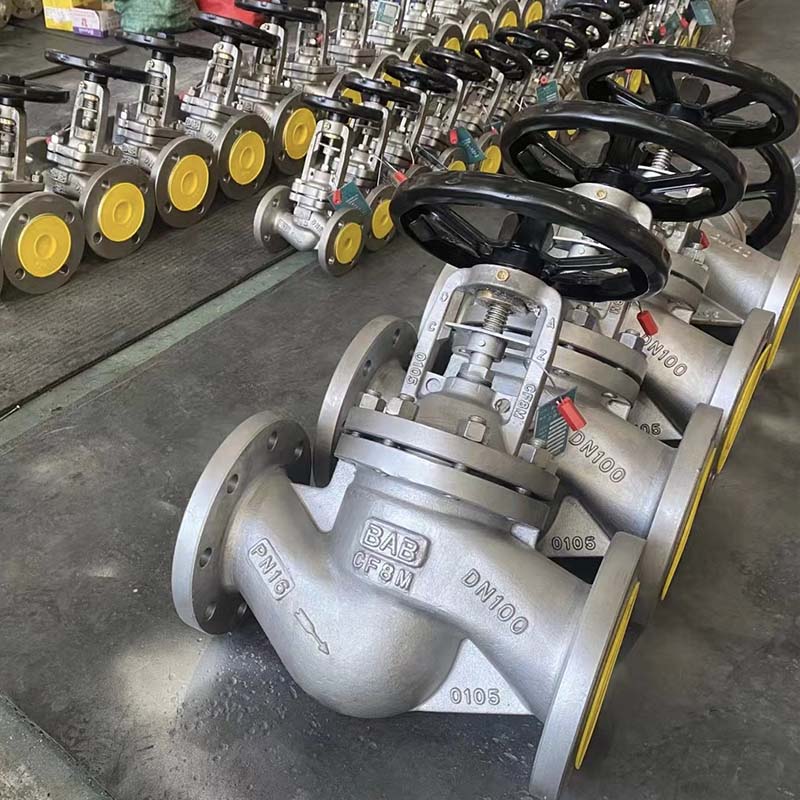
To fully appreciate the utility and reliability of these devices, it is crucial to understand the fundamental engineering principles that govern their operation. Unlike throttling valves that regulate flow volume, this specific valve type is designed for fully open or fully closed applications. When fully opened, the internal obstruction is completely removed from the flow stream, resulting in exceptionally low friction loss and pressure drop.
The operational mechanism of a gate valve is straightforward yet highly effective. It utilizes a linear motion to move a closure element—typically referred to as a gate or wedge—perpendicular to the direction of the fluid flow. When the handwheel or actuator is turned counterclockwise, the threaded stem rotates or rises, pulling the wedge upwards into the valve bonnet and out of the fluid's path. This creates a full-bore opening that allows the medium to pass through without turbulence or restriction.
Conversely, turning the handwheel clockwise lowers the wedge back into the seating area. The wedge fits tightly between two angled seats within the valve body, creating a secure, leak-proof seal. Because the wedge moves perpendicular to the flow, the fluid pressure actually helps to press the gate against the downstream seat, enhancing the sealing capability, especially in high-pressure applications. It is important to note that a gate valve should never be used for throttling (partially open), as the high velocity of the fluid against a partially lowered wedge can cause severe vibration, chatter, and rapid erosion of the seating surfaces.
The structural integrity and performance of a gate valve depend on the precise manufacturing and assembly of several critical components. Understanding these parts aids in maintenance and troubleshooting:
Body: The main pressure-retaining shell that houses the internal components and connects to the piping system via flanged, threaded, or welded ends.
Bonnet: The cover that fastens to the top of the body, providing a leak-proof enclosure for the stem and wedge assembly. It can be bolted, threaded, or pressure-sealed depending on the application's pressure rating.
Gate/Wedge: The physical barrier that moves up and down to control the flow. It can be solid, flexible, or split, depending on the design requirements.
Stem: The threaded shaft that connects the handwheel or actuator to the wedge, transmitting the linear motion required for operation.
Seats: The precision-machined surfaces within the body that the wedge contacts to form a seal. They can be integral to the body or replaceable rings made of harder materials.
Packing and Gland: Located within the bonnet, the packing material creates a seal around the stem to prevent fluid from leaking into the environment. The gland follower compresses the packing to maintain seal integrity.
Actuator/Handwheel: The external mechanism used by the operator to open or close the valve.
Because industrial applications vary wildly in terms of pressure, temperature, fluid corrosiveness, and spatial constraints, engineers have developed several distinct variations of the gate valve. Selecting the correct type is paramount for ensuring long-term reliability and safety.
The configuration of the stem is one of the most critical design distinctions in gate valve engineering.
Rising Stem Gate Valve (OS&Y - Outside Screw and Yoke): In this design, the stem is threaded on the upper portion outside the valve body. As the handwheel is turned, the stem rises out of the valve, providing a clear, immediate visual indication of whether the valve is open or closed. The threads are isolated from the process fluid, which protects them from corrosion and particulate damage, making this design ideal for harsh industrial environments, oil refineries, and fire protection systems.
Non-Rising Stem Gate Valve: Here, the stem is threaded on the lower end, and the wedge acts like a nut traveling up and down the threaded stem. The stem rotates but does not move vertically. This design is highly advantageous in tight spaces with limited vertical clearance, such as underground water distribution networks, ship engine rooms, and compact commercial plumbing systems. However, because the threads are exposed to the fluid, this type is generally reserved for clean, non-corrosive media like treated water.
The design of the wedge itself dictates how well the gate valve can handle thermal expansion, pressure fluctuations, and minor pipeline misalignments.
Solid Wedge Gate Valve: This is the most common and traditional design. It features a single, solid piece of metal machined to fit the seats. It is exceptionally strong, simple, and suitable for a wide range of fluids, particularly turbulent flows. However, in high-temperature applications, thermal expansion can cause a solid wedge to become stuck or "locked" between the seats as the valve body cools and contracts around it.
Flexible Wedge Gate Valve: To combat the issue of thermal binding, the flexible wedge features a machined groove or cut around its perimeter, allowing the two seating surfaces of the wedge to flex independently. This slight flexibility allows the wedge to adapt to changes in the valve body caused by thermal expansion or pipeline stress, ensuring a tight seal without the risk of binding. This design is heavily favored in steam systems and high-temperature hydrocarbon processing.
The versatility, durability, and low pressure-drop characteristics of the gate valve make it the go-to choice for isolation across a vast array of global industries. From heavy-duty extraction processes to commercial building management, these valves perform critical functions.
In the petroleum sector, the demands placed on fluid control equipment are extreme. Valves must withstand highly corrosive crude oil, abrasive natural gas, extreme temperatures, and immense pressures. The gate valve is extensively used in wellhead equipment, Christmas trees, transmission pipelines, and refining facilities. High-pressure forged steel gate valves and API 600 cast steel gate valves are standard in this industry. Their ability to provide a bi-directional, tight shut-off ensures that sections of pipelines can be safely isolated for maintenance, preventing catastrophic leaks and environmental hazards.
Municipal water supply and wastewater treatment plants rely on massive networks of piping to move millions of gallons of water daily. In these systems, minimizing pumping costs is a top priority, which makes the unobstructed flow path of a gate valve highly desirable. Resilient seated gate valves, which feature an elastomer-coated wedge, are specifically designed for water applications. The rubber coating ensures a bubble-tight seal even if sand or small debris is trapped in the valve body, preventing the leakage issues commonly associated with older metal-seated valves in water service.
Large commercial buildings, hospitals, and university campuses utilize complex Heating, Ventilation, and Air Conditioning (HVAC) systems that circulate chilled and hot water to regulate indoor climates. A gate valve is frequently installed at the headers of chillers, boilers, and cooling towers. They allow maintenance personnel to isolate specific heavy equipment units for repair or winterization without needing to drain the entire building's hydronic system. Bronze and brass gate valves are typically used in smaller commercial lines, while larger cast iron flanged valves handle the main distribution loops.
The performance and longevity of a fluid control system are directly tied to the quality of its components. Therefore, selecting the appropriate manufacturing partner is a critical procurement decision. A sub-standard valve can lead to leaks, environmental contamination, costly downtime, and severe safety hazards.
When evaluating suppliers, it is imperative to ensure that the gate valve manufacturer adheres to stringent international engineering and manufacturing standards. Reputable manufacturers will produce valves that comply with standards such as API (American Petroleum Institute), ASME (American Society of Mechanical Engineers), ANSI, DIN, and AWWA. These standards dictate everything from the minimum wall thickness of the valve body and the chemical composition of the metals used, to the rigorous hydrostatic and pneumatic pressure testing that every valve must undergo before leaving the factory. Partnering with a manufacturer that holds ISO 9001 certification guarantees a consistent, documented quality control process.
A premier manufacturer will offer a wide spectrum of material options to suit specific environmental and media conditions. The choice of material dictates the valve's resistance to corrosion, temperature tolerance, and mechanical strength:
Cast Iron & Ductile Iron: Ideal for low-pressure, low-temperature applications like municipal water, wastewater, and standard HVAC systems. Ductile iron offers superior tensile strength and impact resistance compared to standard gray cast iron.
Carbon Steel (WCB/WCC): The standard for high-pressure, high-temperature industrial applications, including oil refineries, power plants, and chemical processing facilities.
Stainless Steel (304/316/316L): Essential for highly corrosive environments, food and beverage processing, pharmaceuticals, and marine applications where rust prevention is critical.
Forged Steel (A105, F316): Used for smaller diameter valves (typically under 2 inches) in extreme high-pressure applications where cast materials might possess microscopic porosities.
Specialty Alloys (Monel, Inconel, Hastelloy): Utilized in the most severe chemical applications involving highly acidic or caustic media.
Even the highest quality valve will fail prematurely if it is installed incorrectly or neglected during its operational lifespan. Proper handling, installation, and routine maintenance are vital for maximizing the return on investment.
Proper installation ensures a leak-free connection and prevents undue mechanical stress on the valve body.
Pre-Installation Inspection: Before installation, thoroughly inspect the valve for any damage sustained during shipping. Ensure the interior of the valve and the pipeline are completely free of dirt, welding slag, rust, and debris, which could scratch the seating surfaces.
Orientation: While a gate valve can technically be installed in any orientation, the preferred and most reliable position is upright, with the stem pointing vertically upwards. Installing the valve horizontally or upside down can cause debris to accumulate in the bonnet, leading to accelerated wear on the stem and packing.
Alignment: Ensure the pipeline flanges are perfectly aligned and parallel. Forcing a misaligned pipe to mate with the valve flanges will induce severe bending stresses into the valve body, potentially causing cracks or seat distortion.
Bolting Sequence: When tightening flanged connections, always use a crisscross or "star" pattern. Tighten the bolts gradually and evenly in multiple passes to ensure uniform compression of the gasket. Over-tightening one side can cause uneven sealing and leaks.
Testing: After installation, slowly introduce pressure to the system and cycle the valve open and closed several times to verify smooth operation and check for any packing or flange leaks.
A proactive maintenance schedule significantly extends the life of the valve and prevents emergency shutdowns.
Lubrication: For rising stem designs, the exposed stem threads must be kept clean and regularly lubricated with an appropriate industrial grease. This prevents corrosion, reduces operating torque, and ensures smooth actuation.
Packing Adjustment: Over time, the packing material around the stem will compress and wear, potentially leading to minor leaks. If a leak is detected at the stem, the gland nuts should be tightened evenly, just enough to stop the leak. Over-tightening will make the valve difficult to operate and accelerate stem wear. If tightening does not stop the leak, the packing material must be replaced.
Periodic Cycling: Valves that remain in the open or closed position for extended periods can become stuck due to scale buildup or thermal binding. It is highly recommended to cycle the valve (partially close and open) every few months to break loose any deposits and ensure the internal mechanisms remain free-moving.
Facility operators must be equipped to identify and resolve common operational issues quickly to maintain system integrity.
Leaks are the most common issue encountered. They generally occur in two places: at the stem packing or across the seats.
Stem Leaks: As mentioned, this is usually resolved by tightening the gland follower or replacing the packing material. Ensure the system is depressurized before attempting to completely remove the gland to replace packing.
Seat Leaks (Internal Passing): If fluid continues to flow downstream when the valve is fully closed, the seats or the wedge may be damaged. This is often caused by debris trapped between the wedge and the seat, or by wire-drawing (erosion caused by attempting to throttle the flow). In resilient seated valves, the rubber wedge may need replacement. In metal-seated valves, the seats may need to be re-machined or lapped, which often requires removing the valve from the line.
A valve that refuses to open or close is a critical safety issue. This can be caused by thermal binding, excessive scale buildup, or a broken stem.
Never use excessive force, such as a long cheater bar, to force a stuck handwheel, as this will likely snap the stem or strip the threads. Instead, try slightly loosening the packing gland to relieve pressure on the stem. If the valve is suffering from thermal binding (stuck closed after cooling), slightly heating the valve body can expand the metal enough to release the wedge. If the handwheel turns freely but the flow does not change, the stem has likely sheared off from the wedge, requiring a complete valve overhaul or replacement.
When designing a piping system, engineers frequently debate whether to use a gate valve or a ball valve for isolation purposes. Both serve the same primary function, but their internal mechanics make them suitable for different scenarios.
Feature | Gate Valve | Ball Valve |
|---|---|---|
Operation Speed | Slow (requires multiple turns of the handwheel). Prevents water hammer. | Fast (quarter-turn operation). Can cause water hammer if closed too quickly. |
Flow Restriction | Virtually zero. Full bore design offers minimal pressure drop. | Very low, but standard port ball valves have slight restriction compared to full bore. |
Space Requirements | Requires significant vertical space for the rising stem and handwheel. | Compact vertical profile, but requires horizontal space for the lever handle. |
Sealing Mechanism | Metal-to-metal or rubber-to-metal wedge seating. Excellent for high temperatures. | Typically uses PTFE or elastomer seats. Prone to damage at extreme high temperatures. |
Cost (Large Sizes) | More economical in large diameters (above 4 inches). | Significantly more expensive in large diameters. |
You should specify a gate valve when your application involves large diameter pipelines where cost is a factor, when the fluid temperature exceeds the limits of soft-seated ball valves, and when minimizing pressure drop across the system is critical for pump efficiency. Furthermore, the slow opening and closing characteristic is highly beneficial in liquid systems to prevent destructive water hammer (hydraulic shock) that can rupture pipes and damage equipment.
While the fundamental mechanical design has remained largely unchanged for over a century, modern technological advancements are bringing the gate valve into the digital age.
The integration of the Industrial Internet of Things (IIoT) is revolutionizing fluid control. Modern automated gate valves are increasingly being equipped with smart electric or pneumatic actuators featuring built-in diagnostic sensors. These sensors monitor torque requirements, stem travel distance, and acoustic signatures to predict failures before they occur. For example, if the actuator detects a gradual increase in the torque required to close the valve over several months, the system can alert maintenance personnel that scale buildup is occurring or that the stem threads require lubrication, allowing for predictive maintenance rather than reactive emergency repairs. Additionally, advancements in metallurgy, such as the use of advanced ceramic coatings and laser cladding on the wedge and seats, are dramatically extending the lifespan of these valves in highly abrasive slurry applications.
Q: Can a gate valve be used to regulate or throttle the flow of water?
A: No. These valves are strictly designed for on/off isolation service. Using them to throttle flow will cause the fluid to strike the partially lowered wedge at high velocity, leading to severe vibration, rapid wear of the seating surfaces (wire drawing), and eventual failure of the valve to seal properly.
Q: What is the difference between an OS&Y and a NRS gate valve?
A: OS&Y stands for Outside Screw and Yoke (a rising stem design). The stem threads are outside the valve, and the stem rises as the valve opens, providing visual confirmation of the valve's status. NRS stands for Non-Rising Stem. The stem threads are inside the valve, exposed to the fluid, and the stem does not move vertically. NRS is used where vertical space is limited.
Q: Why is my gate valve leaking from the handle area?
A: A leak near the handle (handwheel) indicates that the stem packing has deteriorated or become loose. This can usually be fixed by carefully tightening the packing gland nuts. If tightening does not resolve the issue, the system must be isolated, and the packing material must be replaced.
Q: Are gate valves directional?
A: Generally, standard solid and flexible wedge gate valves are bi-directional, meaning they can seal against pressure coming from either direction. However, certain specialized designs, such as some knife gate valves or pressure-seal bonnet designs, may have a preferred flow direction, which will be clearly marked with an arrow on the valve body.
Q: How long should a high-quality gate valve last?
A: With proper material selection for the application, correct installation, and routine maintenance (cycling and lubrication), an industrial-grade valve can easily last 20 to 30 years or more. Neglect and misapplication are the primary causes of premature failure.
In conclusion, the gate valve remains an irreplaceable cornerstone of modern fluid control infrastructure. Its ability to provide a completely unobstructed flow path ensures maximum system efficiency and minimal energy loss, making it the superior choice for isolation in large-scale industrial and commercial pipelines.
By choosing our premium fluid control solutions, you are investing in unparalleled reliability. The core advantages of our products include:
Exceptional Durability: Manufactured from high-grade, certified materials designed to withstand extreme pressures, corrosive media, and severe thermal fluctuations.
Zero Leakage Performance: Precision-machined seating surfaces and advanced wedge designs ensure a bubble-tight, bi-directional seal, protecting your facility from hazardous leaks and product loss.
Low Operational Cost: The full-bore design eliminates pressure drop, significantly reducing the energy required by pumps to move fluids through your system.
Ease of Maintenance: Engineered with accessible packing glands and standardized components, allowing for quick, on-site servicing to minimize operational downtime.
Versatility: Available in a wide range of sizes, pressure classes, and material configurations to perfectly match the specific demands of oil and gas, water treatment, HVAC, and chemical processing applications.
When absolute isolation and long-term reliability are non-negotiable, our expertly engineered valves deliver the performance and peace of mind your critical infrastructure demands.


