

close
Choose Your Site
Global
Social Media
TL;DR: The fundamental purpose of a safety device in any pressurized system is to protect life, property, and the environment by preventing catastrophic failures caused by overpressure conditions. Acting as the ultimate fail-safe mechanism, a safety valve automatically releases excess pressure from boilers, pressure vessels, and piping systems when the internal pressure exceeds a predetermined limit. Without this critical component, industrial systems would be highly susceptible to explosions, structural damage, and severe operational downtime.
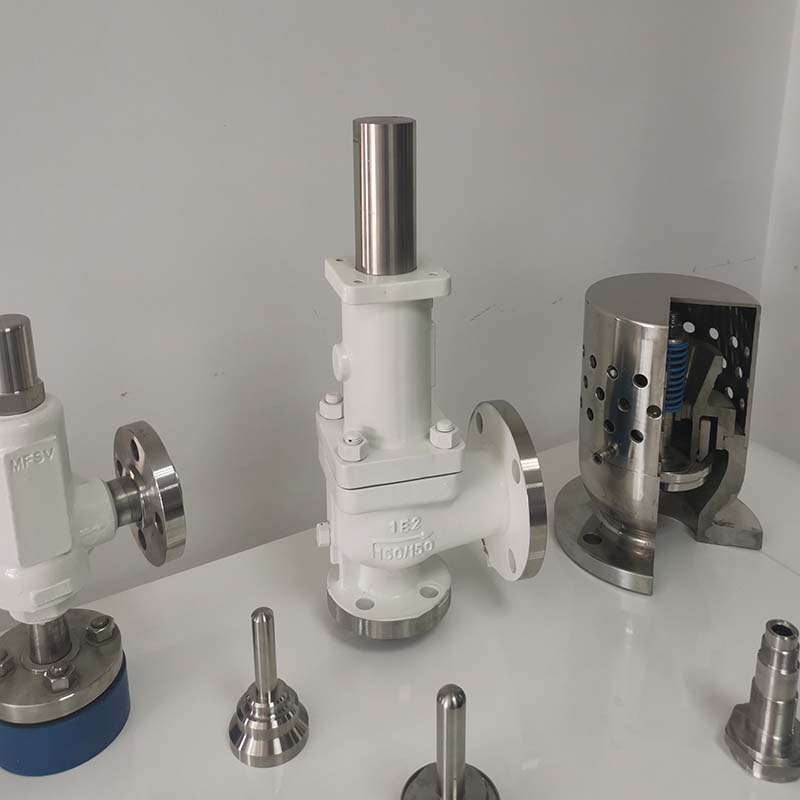
In the complex world of industrial engineering, fluid dynamics, and thermodynamics, controlling pressure is paramount. Every closed system that handles liquids, gases, or steam is designed to operate within a specific pressure range, known as the Maximum Allowable Working Pressure (MAWP). When operational anomalies occur—such as a blocked discharge, thermal expansion, equipment failure, or an external fire—the pressure inside these vessels can spike rapidly. This is precisely where the purpose of these pressure-relief devices becomes a matter of life and death. By understanding the intricate mechanics, applications, and maintenance requirements of these valves, facility managers and engineers can ensure absolute safety and regulatory compliance in their daily operations.
The primary purpose of a safety valve is to act as a device of last resort. Unlike control valves that regulate flow and pressure during normal operations, these safety devices remain closed and inactive until an emergency arises. Their sole function is to open rapidly (often referred to as a "pop" action) when the system pressure reaches the set pressure, thereby exhausting the fluid or gas to a safe location until the pressure drops back to a safe, acceptable level. Once the system pressure is normalized, the valve automatically closes, sealing the system and allowing normal operations to resume or safe shutdown procedures to be initiated.
Overpressure scenarios can develop from a multitude of sources. For instance, if a cooling system fails in a chemical reactor, the exothermic reaction can generate massive amounts of gas and heat, causing the internal pressure to skyrocket. Similarly, in a steam boiler, if the burner continues to fire while the main steam outlet is closed, the steam pressure will rapidly exceed the mechanical limits of the boiler shell. In all these scenarios, the safety device provides a calculated, engineered weak point that opens before the vessel itself can rupture.
To fully grasp how a safety valve prevents catastrophic overpressure, one must understand the physics of pressure vessels. When a vessel ruptures due to overpressure, the sudden release of stored energy can be devastating, often resulting in a BLEVE (Boiling Liquid Expanding Vapor Explosion) if the fluid is a superheated liquid. The valve prevents this by offering a path of least resistance. When the upward force of the pressurized fluid overcomes the downward force of the valve's spring, the disc lifts from the nozzle.
This lifting action creates an escape route. The size of this escape route (the orifice) is meticulously calculated by engineers to ensure that it can discharge the fluid faster than the system can generate the excess pressure. By venting this excess energy, the valve caps the maximum pressure the vessel will experience, keeping it well below the ultimate tensile strength of the vessel's construction materials. This simple yet highly effective mechanical action has saved countless lives and billions of dollars in industrial assets since its invention during the Industrial Revolution.
The working principle of a safety valve relies on a delicate balance of mechanical forces. At its core, the operation is governed by the equation: Force = Pressure × Area. The internal pressure of the system acts upon the surface area of the valve disc. This upward force is counteracted by a downward force, typically provided by a heavy-duty, precisely calibrated helical spring. Under normal operating conditions, the spring force is greater than the fluid force, keeping the disc tightly seated against the nozzle and maintaining a leak-tight seal.
As the system pressure increases and approaches the "set pressure," the upward force equals the downward spring force. At this exact moment, the valve is on the verge of opening. What makes these valves unique, particularly those designed for compressible gases and steam, is the "huddling chamber" design. As the disc begins to lift slightly, the escaping fluid is directed into a larger secondary area (the huddling chamber). This sudden increase in the area upon which the pressure acts causes a massive, instantaneous increase in upward force, causing the valve to "pop" fully open in a fraction of a second.
To appreciate the reliability of a safety valve, it is essential to examine its internal anatomy. Every component is machined to exacting tolerances to ensure flawless operation under extreme stress.
The Nozzle: This is the pressure-containing component that connects the valve to the system. It directs the fluid toward the disc and forms the primary seat.
The Disc: The moving part that seals against the nozzle. Its surface must be perfectly flat and polished to prevent leaks during normal operation.
The Spring: The heart of the valve. It provides the closing force. Springs are manufactured from specialized alloys to resist high temperatures and corrosive environments without losing their tension (relaxation).
The Spindle (or Stem): This component transfers the force from the spring to the disc, ensuring the disc lifts straight up without tilting, which could cause binding.
The Adjusting Ring: Also known as the blowdown ring, this component allows technicians to adjust the "blowdown"—the difference between the set pressure (where the valve opens) and the reseating pressure (where it closes). Proper blowdown adjustment prevents the valve from rapidly opening and closing (chattering), which can destroy the valve internals.
The Bonnet: The housing that contains the spring. In closed bonnet designs, it prevents the escaping fluid from leaking into the atmosphere, directing it entirely through the discharge port.
Because industrial applications vary wildly—from cryogenic liquid oxygen systems to ultra-high-pressure steam turbines—no single valve design can accommodate all scenarios. Consequently, engineers have developed several distinct types of safety valve designs to meet specific operational requirements.
The spring-loaded safety valve is the most common and traditional design used across all industries. As described above, it relies entirely on a mechanical spring to keep the valve closed. These valves are highly reliable because they require no external power source, pneumatic air, or electronic signals to operate. If the pressure rises, the physics of the spring guarantee that the valve will open. They are robust, relatively simple to maintain, and available in a vast array of materials, from standard carbon steel to exotic alloys like Hastelloy and Monel for highly corrosive chemical applications.
A pilot-operated safety valve represents a more advanced approach to overpressure protection. Instead of a large spring holding the main valve closed, the system pressure itself is used to keep the main valve sealed. A smaller, separate "pilot" valve is connected to the main valve. The system fluid is routed to the top of the main valve's dome. Because the area on top of the dome is larger than the area at the bottom (the nozzle), the net force keeps the valve tightly closed. In fact, as system pressure increases, the sealing force actually becomes tighter.
When the pressure reaches the set point, the small pilot valve opens, venting the pressure from the dome. With the downward pressure removed, the system pressure instantly pushes the main valve open, allowing massive flow. Pilot-operated valves are ideal for situations where the normal operating pressure is very close to the set pressure, or where backpressure in the discharge line would negatively affect a standard spring-loaded valve.
Selecting the correct safety valve is a highly technical process that requires a deep understanding of the system's process conditions. An undersized valve will fail to relieve pressure fast enough, leading to a vessel rupture. Conversely, an oversized valve can be equally dangerous; it will exhaust pressure so rapidly that the valve immediately slams shut, only to pop open again a second later. This rapid cycling, known as "chattering," can literally tear the valve apart and cause severe damage to the piping system through water hammer effects.
Engineers must calculate the required relief capacity based on the worst-case overpressure scenario. Variables include the fluid state (liquid, gas, steam, or two-phase flow), specific gravity, temperature, latent heat of vaporization, and the maximum allowable accumulation over the set pressure. Once the required capacity is determined, the appropriate orifice size is selected from standardized charts (often designated by letters from D to T, as per API standards).
Because these devices are the last line of defense, the quality of manufacturing cannot be compromised. Sourcing your equipment from a globally recognized safety valve manufacturer is the most critical step in the procurement process. A reputable manufacturer does not merely cast metal; they invest heavily in research and development, rigorous metallurgical testing, and precision machining.
Top-tier manufacturers ensure that their products undergo stringent quality control processes, including non-destructive testing (NDT) of castings to detect hidden flaws, precise lapping of seats to optical flatness for zero-leakage performance, and rigorous flow testing in certified laboratories to guarantee the valve's discharge capacity. Furthermore, a dedicated manufacturer provides comprehensive engineering support, helping facility managers select the exact valve configuration, material, and accessories (such as lifting levers, test gags, or bellows) required for their specific, often highly complex, industrial applications.
Even the most perfectly engineered safety valve will fail to perform its purpose if it is installed incorrectly. Installation is governed by strict piping codes and best practices to ensure the valve can operate smoothly without interference.
The inlet piping connecting the pressure vessel to the safety valve must be as short and direct as possible. The pressure drop between the vessel and the valve inlet should never exceed 3% of the set pressure. If the inlet pipe is too long or narrow, the valve will experience "starvation." It will pop open, but the pressure in the inlet pipe will immediately drop, causing the valve to close prematurely. This leads to destructive chattering.
Similarly, the discharge piping must be carefully designed. When a valve opens, the escaping fluid travels at extremely high velocities, generating massive reactive forces (similar to a jet engine). The discharge piping must be independently supported so that it does not transfer these mechanical loads onto the valve body, which could distort the internal components and cause the valve to bind. Additionally, the discharge pipe must be sized to prevent excessive built-up backpressure, which can restrict the flow and prevent the valve from achieving its full rated capacity.
A safety valve is not a "set it and forget it" device. Because it sits dormant for long periods, it is susceptible to environmental degradation, corrosion, and internal fouling. Regular maintenance and testing are legally mandated by industrial safety codes to ensure the valve will function flawlessly when called upon.
Routine maintenance begins with visual inspections. Operators should regularly check for signs of external corrosion, ensure that the discharge piping is unobstructed (e.g., checking that bird screens are clear and drain holes are not plugged), and verify that the factory lead seals on the adjusting mechanisms are intact. A broken seal indicates tampering, which voids the valve's safety certification.
Beyond visual checks, safety valves must undergo periodic functional testing. This is often done through "bench testing," where the valve is removed from the system, cleaned, and placed on a specialized test rig. Technicians apply pressurized air or water to verify the exact set pressure and check for seat leakage. If the valve fails the test, it must be completely disassembled, the internal components inspected for wear, and the seating surfaces re-lapped. In some critical continuous-process industries where shutting down is not an option, "in-line testing" (or Electronic Valve Testing - EVT) is utilized. This involves attaching hydraulic equipment to the valve stem to measure the lifting force required to open the valve while it remains in service, allowing technicians to verify the set pressure without interrupting the plant's operation.
The design, manufacturing, and application of a safety valve are heavily regulated by international engineering societies and government bodies. These standards ensure a universal baseline of safety across the globe.
In the United States and many other parts of the world, the American Society of Mechanical Engineers (ASME) Boiler and Pressure Vessel Code (BPVC) is the ultimate authority. ASME Section I governs valves used on fired pressure vessels (like steam boilers), requiring them to have a specific "V" stamp. ASME Section VIII covers unfired pressure vessels (like chemical reactors and storage tanks), requiring a "UV" stamp. These codes dictate everything from the allowable materials of construction to the formula used to calculate the valve's discharge capacity.
Complementing the ASME codes are the standards published by the American Petroleum Institute (API). API 520 provides the recommended practices for sizing and selecting pressure relief devices in refineries, while API 526 standardizes the physical dimensions (flange sizes, center-to-face dimensions) of steel flanged valves, allowing end-users to easily swap valves from different manufacturers without modifying their piping systems. Compliance with these standards is not optional; it is a strict legal requirement for operating industrial facilities.
Given the critical nature of these devices, engineers and plant operators frequently have questions regarding their optimal use and lifecycle management.
The lifespan of a safety valve depends entirely on its operating environment and maintenance schedule. In clean, non-corrosive services like dry compressed air, a well-maintained valve can last 15 to 20 years or more. However, in highly corrosive chemical services or systems with particulate-laden fluids, the internal components may erode or corrode much faster, requiring replacement every few years. Regular inspection and adherence to a strict preventative maintenance program are the best ways to maximize the lifespan of the device.
Yes, but repairs must be conducted by certified facilities. In the context of ASME codes, a facility must hold a "VR" (Valve Repair) stamp issued by the National Board of Boiler and Pressure Vessel Inspectors. Repairing a safety valve involves precise machining, lapping, and recalibration. It is never a task for general plant maintenance personnel, as improper repair can result in the valve failing to open during an overpressure event.
While often used interchangeably in casual conversation, technically, a "Safety Valve" is used for compressible fluids (gases and steam) and is characterized by its rapid, full-opening "pop" action. A "Relief Valve" is used for incompressible fluids (liquids like water or oil) and opens gradually in proportion to the increase in pressure over the set point. A "Safety Relief Valve" is a hybrid design that can function as either, depending on the fluid it is applied to.
Understanding the purpose of a safety valve is the first step in appreciating its indispensable role in modern industry. These devices are the silent guardians of chemical plants, power generation facilities, oil refineries, and even the commercial HVAC systems in our daily lives. Their primary purpose—to prevent catastrophic overpressure—is achieved through brilliant mechanical engineering, precise manufacturing, and rigorous adherence to international safety standards.
Investing in a high-quality safety valve yields numerous operational advantages. First and foremost is the absolute assurance of safety for personnel and surrounding communities, mitigating the risk of fatal accidents and devastating environmental spills. Secondly, a premium valve offers superior leak-tightness during normal operations. Fugitive emissions and steam leaks through poorly manufactured valves cost industries millions of dollars annually in lost energy and wasted product. By utilizing precision-lapped seats and advanced spring materials, high-end valves maintain a perfect seal right up to the set pressure.
Furthermore, premium valves offer enhanced durability and repeatability. When an overpressure event occurs, a high-quality valve will open precisely at the set point, relieve the pressure, and reseat firmly without sustaining internal damage. This reliability reduces downtime, minimizes maintenance costs, and ensures that the facility can quickly return to normal operations. Ultimately, while a safety valve may represent a small fraction of a facility's total capital expenditure, its role in protecting the entire investment, ensuring regulatory compliance, and safeguarding human life makes it one of the most critical components in any pressurized system.
