

close
Choose Your Site
Global
Social Media
TL;DR: In the complex landscape of industrial fluid management and piping systems, understanding the distinct roles of various mechanical components is critical for ensuring operational efficiency and protecting human life. While both check valves and safety valves are essential to the integrity of a pipeline, they serve entirely different primary functions. A check valve is designed to control the direction of fluid flow by preventing backflow, thereby protecting pumps and preventing contamination. In stark contrast, a safety valve acts as a crucial fail-safe mechanism, designed to automatically release excess pressure from a system to prevent catastrophic equipment failure, explosions, and environmental disasters. This comprehensive guide delves deep into the engineering principles, structural differences, application scenarios, and maintenance requirements of both components, with a particular focus on the indispensable role of the safety valve in modern industrial applications.
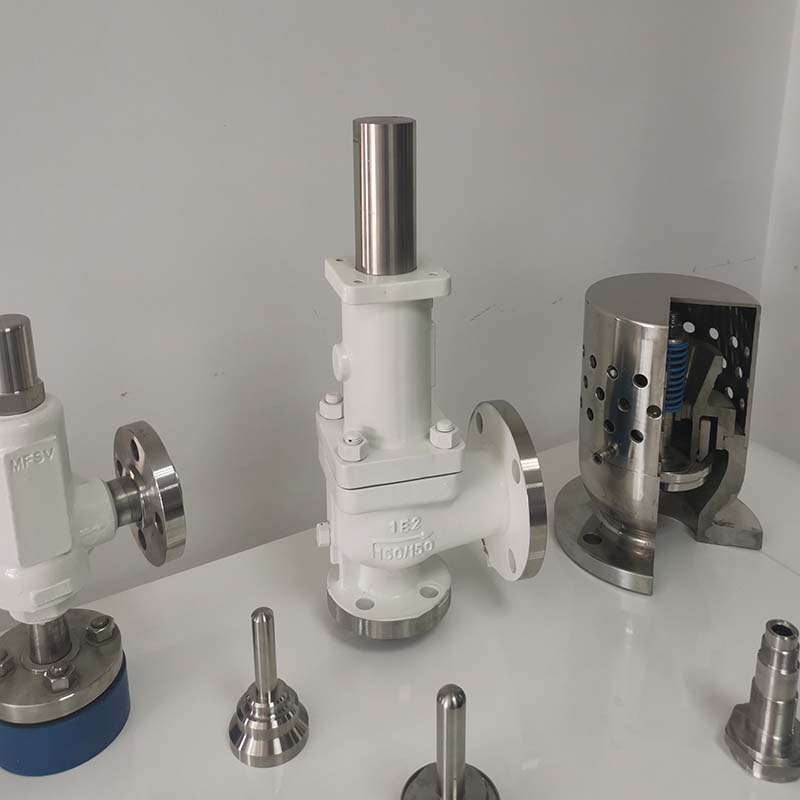
Figure 1: Understanding the functional and structural differences between a check valve and a safety valve in industrial piping systems.
The distinction between directional flow control and overpressure protection is a fundamental concept in mechanical engineering and fluid dynamics. Plant operators, maintenance engineers, and procurement specialists must possess a thorough understanding of these differences to ensure that the correct valve is selected for the correct application. Misapplying these valves or misunderstanding their operational triggers can lead to severe consequences, ranging from costly equipment damage to catastrophic plant failures. By exploring the nuances of these critical components, we can better appreciate the sophisticated engineering that keeps our industrial infrastructure running safely and efficiently.
To fully grasp the comparison, we must first establish a clear and comprehensive definition of the core component in question. A safety valve is an automatic, fail-safe pressure relief device that is engineered to open rapidly and fully when the pressure within a system exceeds a predetermined limit, known as the set pressure. Unlike standard operational valves that are manually or electronically controlled to regulate flow during normal operations, a safety valve remains completely closed and inactive under normal working conditions. Its sole purpose is to act as the last line of defense against overpressure events.
Overpressure can occur due to a variety of reasons, including blocked outlets, thermal expansion, chemical reactions, cooling system failures, or the failure of other control valves. When the internal pressure of a boiler, pressure vessel, or piping system reaches a dangerous level, the safety valve is triggered. It rapidly exhausts the pressurized fluid, gas, or steam into the atmosphere or a designated containment system, thereby reducing the system pressure back to a safe level. Once the pressure drops below the closing pressure (a process involving what is known as "blowdown"), the valve automatically reseats and seals the system, allowing normal operations to resume.
The design and manufacturing of a safety valve are governed by incredibly strict international codes and standards, such as the American Society of Mechanical Engineers (ASME) Boiler and Pressure Vessel Code (BPVC) and the American Petroleum Institute (API) standards. These regulations dictate everything from the materials used in construction to the precise mathematical formulas required to calculate the necessary discharge capacity. Because the failure of a safety valve can result in loss of life and massive property destruction, these devices undergo rigorous testing and certification processes before they are ever installed in a facility.
The mechanical operation of a safety valve is a marvel of precision engineering, relying on the fundamental principles of physics rather than external power sources. This independence from external power (such as electricity or compressed air) is what makes it a true fail-safe device; it will operate even during a total plant blackout. The most common type of safety valve is the spring-loaded design, which consists of several key internal components working in perfect harmony.
At the heart of a spring-loaded safety valve is the nozzle, which connects to the pressurized system, and the disc, which sits on top of the nozzle to create a tight seal. The disc is held firmly in place against the system pressure by a heavy-duty, precisely calibrated coiled spring. The force exerted by this spring determines the set pressure of the valve. As long as the system pressure pushing up against the disc is less than the downward force of the spring, the valve remains closed.
However, as system pressure rises and approaches the set point, the upward force begins to overcome the downward spring force. In a true safety valve (often used for compressible fluids like steam or gas), the design includes a "huddling chamber" or a secondary area around the disc. When the valve begins to slightly open (simmer), the escaping fluid enters this chamber, suddenly exposing a larger surface area of the disc to the pressure. This creates an immediate and dramatic increase in upward force, causing the valve to "pop" open fully and rapidly. This popping action is crucial for achieving maximum discharge capacity instantly, preventing the pressure from continuing to rise.
Once the overpressure condition has been resolved and the system pressure drops, the spring force once again becomes dominant. The valve does not close at the exact set pressure; instead, it closes at a slightly lower pressure. This difference between the set pressure and the closing pressure is called "blowdown." Blowdown is essential because it prevents the valve from rapidly opening and closing (chattering) when the system pressure hovers right around the set point, which could severely damage the valve's internal seating surfaces.
Now that we have established a solid understanding of overpressure protection, we must pivot to the other side of the comparison. A check valve, also commonly referred to as a non-return valve or one-way valve, is a mechanical device designed to allow fluid (liquid or gas) to flow through it in only one direction. Unlike a safety valve, which is concerned with pressure magnitude, a check valve is solely concerned with flow direction. Its primary function is to prevent backflow, which is the reversal of the normal flow direction within a piping system.
Backflow can be incredibly damaging to industrial systems. For example, if a pump shuts down, the fluid it was pushing upward or forward might attempt to flow backward due to gravity or backpressure from downstream equipment. If this reversed flow reaches the pump, it can cause the pump impeller to spin in reverse, leading to severe mechanical damage. Additionally, in systems where different chemicals or fluids are mixed, backflow can cause cross-contamination, ruining entire batches of product or creating hazardous chemical reactions. A check valve automatically closes when the flow attempts to reverse, blocking the fluid and protecting the upstream equipment.
The core difference between a check valve and a safety valve lies in their operational triggers and their ultimate purpose. A check valve is triggered by the velocity and direction of the fluid; it opens when fluid flows in the correct direction and closes when the flow stops or reverses. It operates continuously during normal plant operations. A safety valve, on the other hand, is triggered strictly by static pressure exceeding a specific threshold. It remains entirely dormant during normal operations and only activates during an emergency or abnormal overpressure event.
Because their functions are vastly different, the internal structures of a check valve and a safety valve bear very little resemblance to one another. A check valve is typically a much simpler device. The most common types of check valves include swing check valves, lift check valves, and spring-loaded inline check valves. In a standard swing check valve, a disc is attached to a hinge. The forward flow of the fluid pushes the disc open, swinging it out of the way. When the flow stops or reverses, gravity and the backward pressure of the fluid push the disc back onto its seat, creating a seal.
While some check valves do utilize springs (such as inline spring-loaded check valves), the purpose of the spring is entirely different from the spring in a safety valve. In a check valve, a light spring is often used to assist the disc in closing quickly to prevent "water hammer" (a destructive hydraulic shock caused by a sudden change in fluid velocity). The spring is not calibrated to hold back high system pressure; it merely provides a gentle push to ensure the valve closes before reverse flow can gain momentum.
In contrast, the internal structure of a safety valve is highly complex and robust. The spring in a safety valve is massive, heavily engineered, and precisely calibrated to resist thousands of pounds of upward force. Furthermore, a safety valve features specialized components like adjusting rings (to control blowdown), a huddling chamber (to ensure the rapid popping action), and a specialized nozzle designed to optimize the flow of escaping fluid at sonic velocities. The seating surfaces of a safety valve are also machined to incredibly tight tolerances, often lapped to an optical flatness, to ensure a bubble-tight seal under high pressure—a level of precision rarely required for a standard check valve.
To provide a clear, quick-reference overview of the distinctions between these two vital components, the following table breaks down the differences across several critical engineering and operational parameters. Understanding these distinctions is essential for proper pipeline design and hazard mitigation.
Feature / Parameter | Check Valve | Safety Valve |
|---|---|---|
Primary Function | Prevents reverse flow (backflow) of fluids. | Prevents catastrophic overpressure by releasing fluid. |
Operational Trigger | Changes in fluid flow direction and velocity. | Static system pressure exceeding a preset limit. |
Status During Normal Operation | Actively open and functioning continuously. | Completely closed and dormant. |
Typical Placement | Downstream of pumps, compressors, or mixing lines. | Top of boilers, pressure vessels, or high-pressure lines. |
Consequence of Failure | Pump damage, cross-contamination, loss of prime. | Explosions, vessel rupture, severe safety hazards. |
Regulatory Oversight | Standard piping codes (e.g., ASME B31.3). | Strict pressure vessel codes (e.g., ASME BPVC Sec VIII). |
The application scenarios for these valves highlight their distinct purposes. Check valves are ubiquitous in almost every piping system. You will find them in municipal water supply lines to prevent contaminated water from flowing back into the clean water supply. They are installed in residential sump pumps to keep the discharged water from flowing back into the basement when the pump turns off. In industrial chemical plants, they are used to ensure that reactive chemicals flow only toward the mixing reactor and never backward into the supply tanks.
The application of a safety valve, however, is reserved for systems where pressure accumulation poses a tangible threat. In the power generation industry, massive safety valves are installed on steam boilers. If the steam pressure exceeds the design limits of the boiler tubes, the safety valve opens to vent the high-pressure steam, preventing a boiler explosion. In the oil and gas sector, they are installed on separators, distillation columns, and storage tanks to protect against overpressure caused by thermal expansion from the sun or process upsets. In the pharmaceutical and food processing industries, sanitary safety valves are used on sterilization autoclaves and pressurized fermentation vessels to ensure both safety and hygienic compliance.
Given the critical, life-saving nature of overpressure protection, the procurement of these devices is not an area where corners can be cut. Selecting the right safety valve manufacturer is arguably the most important step in designing a secure pressure system. A reputable manufacturer does not merely produce a piece of hardware; they provide a guarantee of safety, backed by rigorous engineering, precise metallurgy, and exhaustive testing.
When evaluating a manufacturer, several key factors must be considered. First and foremost is their adherence to international standards. A top-tier manufacturer will hold certifications from organizations like ASME (holding the "V" or "UV" stamp), the National Board of Boiler and Pressure Vessel Inspectors (NBBI), and ISO. These certifications prove that the manufacturer's design formulas, material sourcing, and quality control processes have been audited and approved by independent engineering authorities.
Furthermore, an elite manufacturer offers extensive customization capabilities. Industrial processes are not one-size-fits-all. A chemical plant dealing with highly corrosive acids requires a safety valve made from exotic alloys like Hastelloy, Monel, or Duplex Stainless Steel, whereas a standard steam boiler might only require high-grade carbon steel or standard stainless steel. The manufacturer must have the metallurgical expertise to recommend and cast the appropriate materials. Additionally, they must possess state-of-the-art testing facilities to perform capacity testing, seat leak testing, and pop-action verification before the valve ever leaves the factory floor.
In modern industrial engineering, it is rarely sufficient to simply purchase a standalone component. Plant managers and engineers must look for comprehensive valve solutions that integrate the safety valve seamlessly into the broader architecture of the facility. This holistic approach ensures that the pressure relief system works in tandem with the rest of the process control infrastructure.
Comprehensive solutions involve detailed engineering consultations to determine the exact sizing and orifice requirements based on the specific fluid properties (gas, liquid, or multi-phase), operating temperatures, and required discharge capacities. It also involves designing the inlet and outlet piping for the safety valve. For instance, if the discharge piping is not sized correctly, it can create excessive backpressure when the valve opens, which can alter the set pressure or cause the valve to chatter destructively. A complete solution provider will offer guidance on the entire pressure relief network, including the use of rupture discs in series with safety valves for highly corrosive or toxic applications, ensuring absolute environmental compliance and personnel safety.
Even the highest quality valve from the best manufacturer will fail to perform its critical duty if it is installed incorrectly or neglected during its operational lifespan. The installation of a safety valve requires strict adherence to engineering best practices. First, safety valves must almost always be installed in a vertical position, with the spindle pointing straight up. Installing them horizontally or at an angle can cause the internal components to bind or wear unevenly due to gravity, altering the set pressure and preventing the valve from opening smoothly.
The inlet piping connecting the vessel to the safety valve must be as short and direct as possible. Long or tortuous inlet piping can cause a pressure drop when the valve opens, leading to rapid cycling or chattering, which destroys the valve seat in a matter of minutes. Similarly, the discharge piping must be properly supported so that it does not exert any mechanical stress or bending moments on the valve body, which could distort the internal alignment.
Maintenance is equally critical. Because a safety valve sits dormant for long periods, it is susceptible to internal corrosion, fouling, or the sticking of internal parts. Routine maintenance programs are mandated by industry regulations and insurance providers. This typically involves regular visual inspections to check for external corrosion, missing lead seals (which ensure the set pressure has not been tampered with), and proper alignment of discharge piping.
When a safety valve exhibits abnormal behavior, immediate troubleshooting is required to restore system integrity. One of the most common issues is "simmering" or a continuous, slight leakage of fluid before the system reaches the actual set pressure. This is often caused by a damaged seating surface. Even a microscopic scratch on the metal-to-metal seat, caused by dirt or scale passing through the valve during a previous opening, can cause a leak. Troubleshooting this requires removing the valve and sending it to a certified repair facility for precision lapping of the seats.
Another severe issue is "chattering," where the valve rapidly opens and closes in quick succession. As mentioned earlier, this is usually a systemic issue rather than a defect in the valve itself. It is typically caused by excessive inlet pressure drop or excessive built-up backpressure in the discharge line. Troubleshooting chattering requires a thorough engineering review of the piping design surrounding the safety valve, rather than just replacing the valve itself.
Periodic testing is the most proactive troubleshooting step. This includes "pop testing," where the system pressure is intentionally raised under controlled conditions to verify that the valve opens at the correct set pressure and reseats properly. In facilities where raising system pressure is impossible, specialized "in-situ" or online testing equipment can be used. This equipment applies an external lifting force to the valve spindle, combining it with the existing system pressure to verify the set point without requiring a full plant shutdown.
To further clarify the distinctions and operational nuances of these critical components, here are answers to some of the most frequently asked questions encountered by engineers and plant operators.
Q1: Can I use a check valve as a substitute for a safety valve to relieve pressure?
A: Absolutely not. This is a dangerous misconception. A check valve is designed only to stop reverse flow; it has no mechanism to sense static overpressure or to vent fluid to the atmosphere. Using a check valve in place of a safety valve will leave the system completely unprotected against overpressure, inevitably leading to a catastrophic rupture or explosion.
Q2: How often does a safety valve need to be tested or calibrated?
A: The testing frequency depends heavily on the industry, the specific application, and local regulatory codes. For example, high-pressure steam boiler safety valves may require annual testing. Valves in less critical or cleaner services might be tested every 3 to 5 years. Always consult the ASME NBIC (National Board Inspection Code) or your local jurisdictional authority for mandatory testing intervals.
Q3: Why is my safety valve leaking under normal operating pressure?
A: Leakage under normal operating conditions is usually caused by one of three things: 1) Debris or scale trapped between the disc and the nozzle seat, preventing a tight seal. 2) The operating pressure is too close to the set pressure (the system pressure should typically be kept at least 10% below the set pressure to ensure a tight seal). 3) Mechanical damage or corrosion to the seating surfaces, requiring professional repair and lapping.
Q4: What is the difference between a safety valve and a relief valve?
A: While often used interchangeably in casual conversation, technically, a "safety valve" is used for compressible fluids (gases and steam) and is characterized by a rapid, full-pop opening action. A "relief valve" is used for incompressible fluids (liquids like water or oil) and opens gradually in proportion to the increase in overpressure. A "safety relief valve" is designed to handle both types of fluids.
In conclusion, while check valves are essential for directing flow and protecting pumps, the safety valve stands alone as the ultimate guardian of plant safety and structural integrity. Investing in a high-quality safety valve from an elite manufacturer provides unparalleled product advantages that directly impact the bottom line and the safety record of an industrial facility.
The primary advantage of a premium safety valve is its absolute reliability. Engineered with precision-machined components and high-grade metallurgy, these valves guarantee a rapid and decisive response to overpressure events, ensuring that catastrophic failures are entirely prevented. This reliability translates directly to the protection of human life and the preservation of multi-million-dollar capital equipment.
Furthermore, high-quality safety valves offer superior sealing performance. Advanced lapping techniques and optional soft-seat designs ensure bubble-tight shut-off during normal operations. This prevents the continuous, costly leakage of valuable process fluids or steam, thereby improving overall plant energy efficiency and reducing environmental emissions.
Finally, top-tier safety valves provide extended durability and compliance. Constructed from materials specifically tailored to resist the corrosive, abrasive, or high-temperature nature of the process fluid, these valves boast a longer service life with reduced maintenance requirements. Coupled with full ASME, API, and ISO certifications, a high-quality safety valve ensures that your facility not only operates at peak efficiency but also remains in strict compliance with all global safety and environmental regulations, providing total peace of mind for operators and stakeholders alike.
